

How often should you really get a relax massage? It’s not about following a rigid calendar. It’s about listening to your body and understanding what it needs. Some people swear by weekly sessions. Others feel fine with once a month. The truth? There’s no single answer that works for everyone.
Your Body Keeps Score
Your body doesn’t lie. If you’re constantly tense, waking up with tight shoulders, or feeling drained even after a full night’s sleep, your nervous system is signaling stress. A relax massage isn’t a luxury-it’s a reset button. Studies show that regular massage therapy lowers cortisol, the stress hormone, by up to 31%. It also boosts serotonin and dopamine, the chemicals that make you feel calm and content.
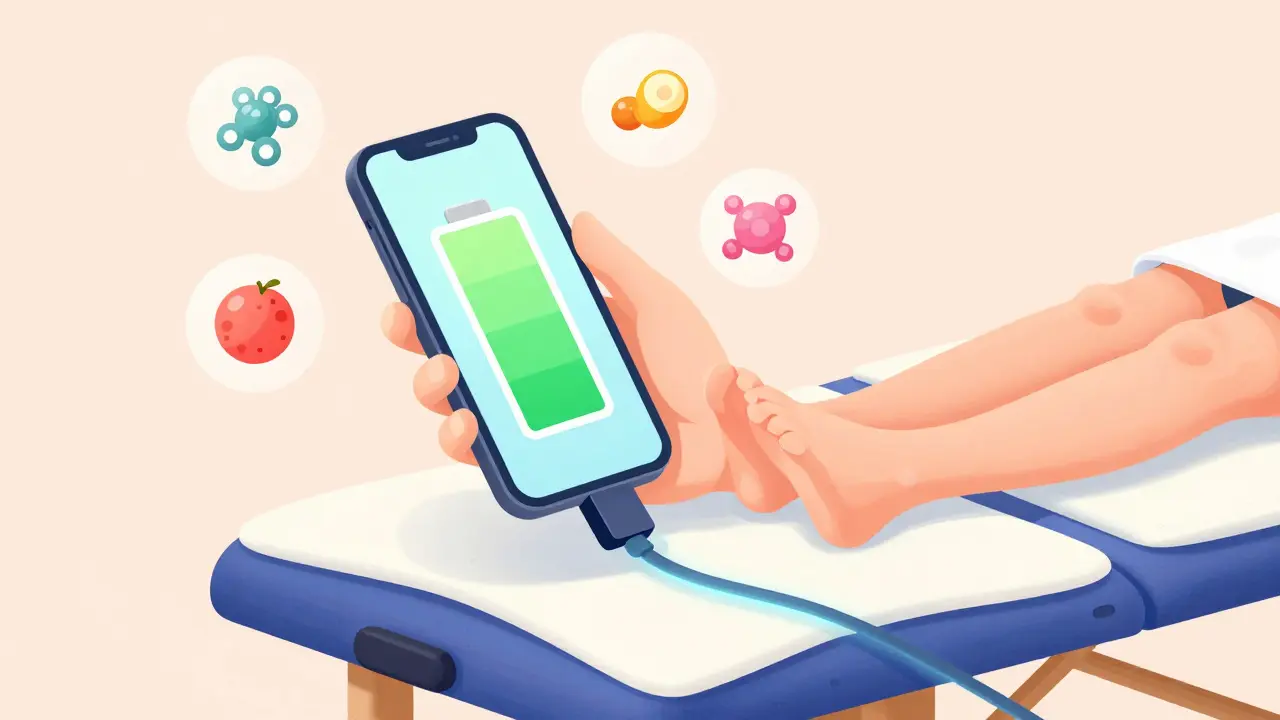
Think of it like charging a phone. If you’re running at 10% all the time, you’re not going to last long. A massage is your way of plugging in. But how often you plug in depends on how hard you’re pushing yourself.
One Size Doesn’t Fit All
There’s no universal rule, but here’s what most people actually need:
- If you have a high-stress job-long hours, constant screen time, back-to-back meetings-you’ll benefit from once a week. Think desk workers, nurses, teachers, or anyone who’s always on their feet or mentally drained.
- If you’re moderately stressed-juggling work, family, and errands-every other week keeps your stress levels in check. This is the sweet spot for most working adults.
- If you’re generally calm, active, and sleep well, once a month is enough to maintain balance. Think of it as preventive maintenance, not a crisis fix.
These aren’t hard rules. They’re starting points. Pay attention to how you feel two or three days after a massage. Do you sleep deeper? Are your muscles looser? Do you breathe easier? If yes, you’re on the right track.
What Happens If You Go Too Often?
You might think more is better. But your muscles need time to recover. Going for a massage every day, or even every other day, can lead to overstimulation. Your body starts to treat the massage like a crutch instead of a tool. You might feel temporarily relaxed, but over time, you could feel more sensitive, sore, or even emotionally drained.
Massage isn’t a workout. It’s a restoration. Too much of it can actually make your nervous system more reactive. The goal isn’t to eliminate stress entirely-it’s to help your body return to its natural rhythm.
Signs You Need a Massage More Often
Here are clear signals your body is begging for a touch-up:
- You wake up with headaches or jaw tension
- Your neck or lower back aches even after stretching
- You feel irritable for no reason
- You’re having trouble falling asleep or staying asleep
- You’ve noticed your breathing is shallow or shallow
If you check off two or more of these, you’re likely running on low. A weekly massage for a few weeks could make a noticeable difference. After that, you can dial back to every other week.
Signs You’re Getting Too Many Massages
On the flip side, here’s when you might be overdoing it:
- You feel sore or bruised after a massage
- You feel lightheaded or dizzy afterward
- You’re spending more money than you can afford
- You start to feel anxious if you miss a session
- You notice your body isn’t responding like it used to
If you’re checking off even one of these, it’s time to pause. Maybe try a self-massage with a foam roller or a warm bath instead. Sometimes, less really is more.
It’s Not Just About the Massage Table
A relax massage works best when it’s part of a bigger self-care system. If you’re getting a massage every week but still pulling all-nighters, drinking five coffees a day, or scrolling until midnight, you’re fighting an uphill battle.
Pair your massage with:
- 10 minutes of deep breathing before bed
- Drinking enough water (half your body weight in pounds, in ounces)
- Getting sunlight in the morning
- Moving your body daily-even just walking
- Putting your phone down an hour before sleep
These habits amplify the effect of the massage. They help your body hold onto the calm instead of losing it by Tuesday.
What About At-Home Massages?
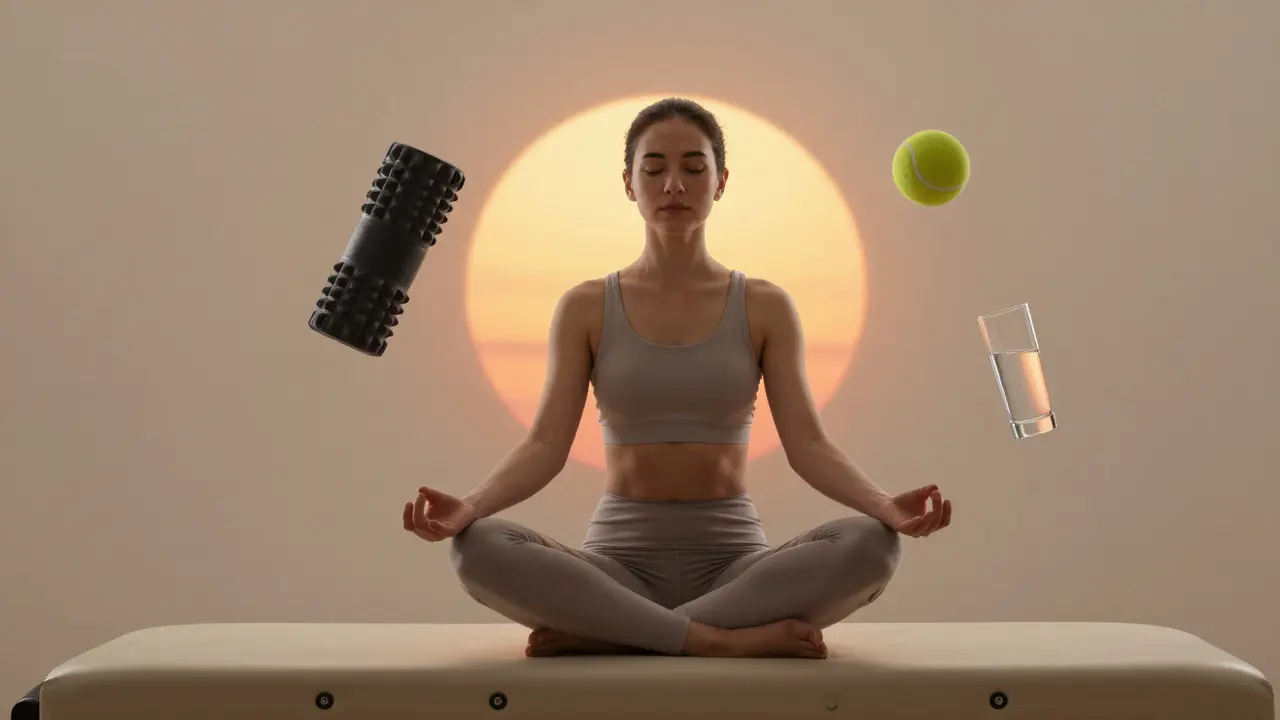
You don’t always need a professional. A 15-minute self-massage with a tennis ball or a handheld massager can help. Roll it along your shoulders, lower back, or feet. Do it while watching TV. Do it before bed. It’s not a replacement for a full session, but it’s a great way to stay connected to your body between appointments.
Some people keep a foam roller by their couch. Others use a vibrating massager while reading. These small habits add up. They keep your muscles from locking up and make your next professional massage even more effective.
Listen to Your Body, Not the Calendar
The best way to figure out your ideal massage schedule? Track it. For one month, write down how you feel before and after each session. Note your sleep quality, energy levels, and stress. After four weeks, you’ll see patterns.
Maybe you feel amazing after a massage but crash by day 4. That means you need one every 3 weeks. Maybe you feel fine for 10 days. Then you’re golden with a monthly session.
Your body talks. You just have to learn how to listen.
What If You Can’t Afford It?
Cost shouldn’t be a barrier. You don’t need a luxury spa to get real benefits. Look for:
- Student clinics at massage therapy schools-often $20-$40 for a 60-minute session
- Community wellness centers
- Group massage events (some yoga studios offer them)
- Bartering-offer your skills (writing, tutoring, design) in exchange
Even one session a month makes a difference. Consistency beats cost.
Can I get a relax massage every day?
Technically, yes-but it’s not recommended. Daily massages can overstimulate your nervous system, leading to soreness, fatigue, or even increased stress. Your body needs time to integrate the benefits. Stick to a few times a week at most, and let your body guide you.
Is a relax massage the same as a deep tissue massage?
No. A relax massage uses gentle, flowing strokes to calm your nervous system. Deep tissue targets chronic muscle tension with firmer pressure and focused techniques. If you’re seeking stress relief, relax massage is better. If you have knots or chronic pain, deep tissue may be needed-but even then, it’s best paired with occasional relax sessions.
How long should a relax massage session last?
For most people, 60 minutes is ideal. It gives enough time to unwind without feeling rushed. If you’re short on time, 30 minutes focused on your neck, shoulders, and back still helps. Anything under 20 minutes usually doesn’t allow your body to fully relax.
Should I get a massage when I’m sick?
No. If you have a fever, cold, flu, or any contagious illness, skip the massage. Your body is fighting off invaders, and massage can overstimulate your immune system, potentially making symptoms worse. Wait until you’re fully recovered.
Can massage help with anxiety?
Yes. Studies show that regular relax massage reduces anxiety by lowering cortisol and increasing serotonin. People with generalized anxiety disorder who received weekly massages for eight weeks reported significant improvements in mood and sleep. It’s not a cure, but it’s a powerful tool.




I used to think monthly was enough until I started working from home with a toddler screaming at 6am. Now I do every other week and my neck doesn't feel like it's made of concrete anymore. Seriously, if you're tired all the time, this isn't a luxury-it's survival.
Also, pairing it with that 10-minute breathing thing? Game changer. I do it while my kid naps. No fancy candles needed.
Life is just a series of stress loops 🔄 and massage is the reset button 💥 I don't care what the calendar says. If my shoulders are screaming at 3am? I go. No guilt. No schedule. Just body wisdom.
Also-why are we still talking about frequency? The real question is: are you listening? Or just checking boxes?
Let me tell you what they don't want you to know-corporate wellness programs are a scam. Massage isn't about relaxation-it's about counteracting the silent torture of modern life.
Did you know your cortisol levels spike every time you check Slack? That's why you need weekly sessions. And if you're not doing breathwork after? You're just delaying the inevitable burnout. The system is rigged. Your body is the last frontier. Fight back. 💪
Look, I get it. People treat massage like a spa day. But it's neurochemical recalibration. You're not getting a rubdown-you're rebooting your autonomic nervous system.
And if you're doing it monthly while working 60-hour weeks? You're not maintaining balance. You're just delaying the crash. The data doesn't lie. Cortisol drops 31%. That's not a vibe. That's biology.
This is so true!! I started doing 15-min foot rolls with a tennis ball before bed and honestly? My sleep improved overnight. 🙌 No need to spend $100 if you're just starting out.
Also-drink water after. I forgot once and felt like a zombie for two days. Lesson learned.
I used to think massage was for people with too much money. Then I got a $25 session at the community college clinic. Changed my life.
What matters isn't how often you go-it's whether you're paying attention. I track my sleep now. If I wake up stiff, I know I need it. No fancy apps. Just me and my body.
The notion of a rigid schedule for somatic restoration is fundamentally at odds with the organic nature of human physiology. One must attune to the subtle somatic feedback loops-those minute, persistent tensions that whisper rather than shout.
Consider: the autonomic nervous system does not operate on Gregorian calendar cycles, but on circadian, hormonal, and psychological resonance. To prescribe frequency is to impose mechanistic order upon a living system.
Perhaps the truest practice is not temporal, but perceptual: to cultivate embodied awareness, and allow the body's quiet intelligence to dictate rhythm. This is not therapy. It is reverent listening.